Painters Brisbane | Priority Painting
Should You Clean Walls Before Painting? A Simple Guide for Better Results
If you’re planning to paint your home, you might be wondering whether cleaning the walls beforehand is really necessary. After all, if you’re covering the walls with fresh paint, won’t the new coat hide any dirt or marks?
Cleaning your walls before painting is crucial because it directly impacts the durability and appearance of the final result, making your paint job look professional and long-lasting.
At Priority Painting, we often see homeowners eager to jump straight into painting, only to run into problems later. Taking a little extra time to prepare your walls can make a huge difference to the final result.
In this guide, we’ll explain why wall cleaning matters, when it’s essential, and how to prepare your surfaces before painting.
Table of Contents
Why Cleaning Walls Before Painting Matters
Paint sticks best to clean surfaces. When walls are covered in dust, grease, dirt, smoke residue, or other contaminants, the paint may struggle to bond properly.
This can lead to issues such as:
- Peeling paint
- Bubbling or blistering
- Uneven coverage
- Poor adhesion
- Reduced paint lifespan
Even if the wall appears clean, there is often a layer of dust or oils that can affect how well the paint performs.
Professional painters know that proper preparation is often the difference between a paint job that lasts for years and one that starts showing problems after only a short time.
What Happens If You Skip Cleaning?
Skipping wall preparation may save time initially, but it can create bigger problems down the track.
Imagine painting over cooking grease in a kitchen. The paint may look fine at first, but as it dries and cures, it can begin to separate from the underlying surface.
Similarly, painting over dust can create a weak bond between the wall and the paint. This may result in flaking or peeling, especially in areas exposed to moisture or temperature changes.
The cost of repainting a failed paint job is often far greater than the time spent cleaning walls before starting.

Which Walls Need Cleaning?
In reality, almost all walls benefit from some level of cleaning before painting. However, some areas require extra attention.
Kitchens
Kitchen walls often accumulate grease, cooking oils, and food splatters. These residues can prevent paint from adhering correctly.
A thorough wash is highly recommended before painting any kitchen surface.
Bathrooms
Bathrooms are exposed to steam, moisture, soap residue, and mould. Cleaning helps remove these contaminants and provides a fresh surface for painting.
Children’s Bedrooms
Fingerprints, crayons, markers, and general wear and tear are common in children’s rooms. These marks should be removed before painting.
Hallways and Entryways
High-traffic areas often collect dirt, scuff marks, and handprints. Cleaning helps create a smooth and consistent finish.
Living Areas and Bedrooms
Even walls that look clean can have a layer of dust or airborne contaminants. A light cleaning is usually sufficient before painting.

How to Clean Walls Before Painting
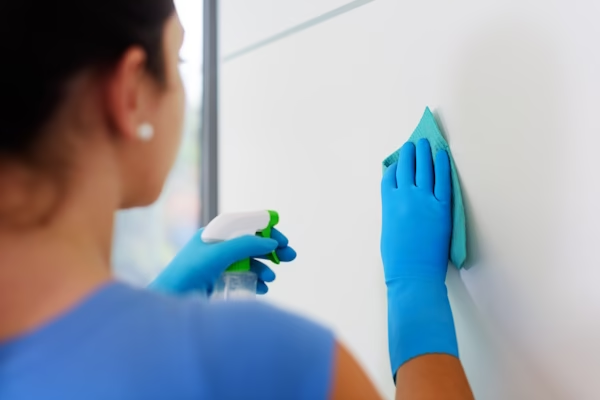
The cleaning process is straightforward and effective; just removing dust and grease can significantly improve paint adhesion and final appearance.
Step 1: Remove Dust
Start by dusting the walls using:
- A microfiber cloth
- A vacuum with a brush attachment
- A soft broom
Pay particular attention to corners, ceilings, and skirting boards where dust tends to collect.
Step 2: Wash the Walls
Mix warm water with a mild detergent or sugar soap solution.
Using a sponge or soft cloth:
- Wipe down the walls
- Focus on stained or greasy areas
- Work from top to bottom
Avoid excessive soaking of the wall, particularly if it is plasterboard.
Step 3: Rinse the Surface
After washing, wipe the walls with clean water to remove any leftover cleaning residue.
This step is important because detergent residue can also affect paint adhesion.
Step 4: Allow the Walls to Dry
Never paint over damp walls.
Allow sufficient drying time before proceeding with repairs, priming, or painting.

What Is Sugar Soap?
Sugar soap is one of the most popular cleaning products used before painting.
Despite its name, it does not contain sugar. It is a powerful cleaning solution designed to remove:
- Grease
- Dirt
- Smoke stains
- Fingerprints
- General grime
Professional painters often use sugar soap because it effectively prepares surfaces without damaging them.
It is available in both liquid and powder form from most hardware stores.
Do New Walls Need Cleaning?
Many people assume that brand-new walls do not require preparation.
However, new plasterboard surfaces often contain:
- Construction dust
- Sanding residue
- Fingerprints from installers
Before applying primer or paint, it’s important to remove this dust to ensure a smooth finish.
Even newly built homes require proper surface preparation.
Should You Clean Walls Before Repainting?
Absolutely.
Existing painted walls can accumulate years of dust, grease, and contaminants. Even if you’re simply changing the colour, cleaning remains an essential part of the preparation process.
The new paint needs a clean surface to bond effectively with the existing coating, giving homeowners confidence that their repaint will last and look good.
Other Important Preparation Steps
Cleaning is only one part of the preparation process. For the best results, you should also:
Repair Holes and Cracks
Fill any dents, nail holes, or cracks before painting.
This creates a smooth surface and improves the final appearance.
Sand Rough Areas
Light sanding helps smooth imperfections and can improve paint adhesion on glossy surfaces.
Prime When Necessary
Primer may be required if:
- The wall has stains
- You’re painting over dark colours
- The surface is new plasterboard
- Repairs have been completed
A quality primer helps create a uniform base for the topcoat.

When to Hire Professional Painters
While cleaning walls is a straightforward task, preparing an entire home for painting can be time-consuming.
Professional painters understand that thorough preparation reduces future issues, helping homeowners feel confident that their project will be durable and trouble-free.
At Priority Painting, our team’s expertise in surface preparation ensures your walls are perfectly ready, resulting in a finish that lasts for years and looks great.
Our team handles:
- Wall cleaning
- Surface repairs
- Sanding
- Priming
- Interior painting
- Exterior painting
By investing in proper preparation, we help homeowners achieve the best possible outcome from their painting project.
Final Thoughts
So, should you clean walls before painting?
The answer is yes.
Cleaning removes dust, dirt, grease, and other contaminants that can prevent paint from adhering properly. It helps create a smoother finish, improves durability, and reduces the risk of peeling or bubbling later on.
Whether you’re painting a single room or your entire home, taking the time to clean and prepare the walls is one of the smartest steps you can take.
If you’d like professional help preparing and painting your property, contact Priority Painting today. Our experienced painters deliver high-quality results with thorough preparation and attention to detail, ensuring your new paintwork looks its best from day one.