
Popular Interior Paint Colours 2025 Popular Interior Paint Colours 2025 In 2025, Australian interiors are undergoing a quiet revolution. Gone are the days of cool greys and stark whites dominating every room. This year’s most popular interior paint colours embrace warmth, comfort, and nature, with a palette that reflects the emotional tone of the times. Dulux’s latest forecast reveals a strong shift toward earthy neutrals, sophisticated pastels, and rich, grounding hues like burgundy and olive. These changes aren’t just about aesthetics. With rising stress levels and economic uncertainty, Australians are turning to colour as a way to bring calm, stability, and personality back into their homes. Whether you’re renovating a Queenslander or styling a contemporary apartment, 2025’s interior paint trends are all about creating spaces that feel safe, nurturing, and uniquely yours. Top Interior Paint Colours in 2025 Brisbane homes are seeing a dramatic change in interior colour choices. Designers now take a more nuanced approach to colour selection in 2025. This marks a clear break from the cool-toned whites and greys that were popular before. Earthy Neutrals Warm neutrals have become the foundation of Australian interior design in the last few years. These colours reflect our need for comfort and stability. Dulux’s 2025 forecast shows these muted palettes have “a noted absence of clean, bright colours”. People want grounding environments during uncertain times. Australians love comforting taupes, soft browns, and creamy beiges that make them feel secure. These earthy tones create flexible spaces throughout homes. Dulux’s Dieskau (SN4H1) is the perfect greige, and works great in open-plan living areas and creates smooth transitions between spaces. Natural White™ (SW1F4) has become hugely popular in Queenslanders’ homes. Its subtle yellow undertone brightens rooms without feeling sterile. Bold Statement Colours Wanting a feature wall that is bold and on trend? Rich, saturated hues create dramatic focal points in Australian homes. Deep plums, moody blues, and forest greens stand out on feature walls and statement areas. Dulux predicts rich burgundies and wine hues will become more prominent throughout residential interior design in 2025. These deeper shades add character while staying connected to nature. Taubmans Black Pearl (T15 21.7), a deep black with blue undertones, shows this bold approach. You can use this in living rooms to create a striking feature wall that anchors the space. Wattyl’s Celestial Ocean (CW 106.1) brings calm and serene colour into your home – great for dining rooms. Terracotta hues have evolved to become more vibrant and bold in 2025, with deep burnt oranges and rusty reds coming to the vanguard. These rich, earthy colours add warmth when paired with natural textures like wood and woven materials. Unexpected Pastels Pastels are returning to Australian homes with a sophisticated twist. These aren’t your typical sweet shades but more complex, subdued versions. In 2025, pastels will make a comeback, but this time they are more subdued, dusty, and elegant. Muted versions of lavender, blush pink, powder blue, and mint green appear in fresh ways throughout modern interiors. Dulux’s Pink Dust (S05F3), a subtle pink, will add a touch of romance and elegance to any space. This muted shade works well for those who want colour without overwhelming their room. Soft Lilac (S05B4) offers great versatility as a soothing, muted silver-lilac.In daylight, the lilac undertones shine, while at night, it transforms into a warm, happy grey. Designers recommend these gentle shades for peaceful bedrooms, bathrooms, or cosy reading nooks. They look stunning with natural wood furniture or metallic finishes, creating a refined look that stays sophisticated. Dieskau Natural White Pink Dust Soft Lilac Grey Imp Paint Colours That Boost Property Value Neutral colours remain the top choice when selling a property. Design experts overwhelmingly favour whites for exteriors (49%), while 81% recommend warm neutral colours for interior spaces. Warm neutrals create an inviting atmosphere where potential buyers can picture themselves living. Taupe White (S10A1) adds warmth and versatility, making it ideal for living rooms and bedrooms. These shades help spaces feel more open by reflecting light and visually receding. Off-whites and ivories make spaces look fresh, and buyers tend to see these properties as well-kept and recently decorated. Light greys bring elegance and luxury that other colours can’t match. These shades naturally blend with most décor styles and provide a sophisticated canvas for buyers to work with. See Dulux’s Grey Imp (SN4C4) for a beautiful light grey interior paint. Sustainable Paint Trends Sustainability has become a driving force in Australian paint choices faster than anyone expected. Environmental awareness pushes homeowners and designers to look for eco-friendly options that deliver both style and performance. Low-VOC options in trending colours Volatile Organic Compounds (VOCs) are indoor air pollutants that traditional paints release at room temperature. Australian paint manufacturers have stepped up with creative low and zero-VOC alternatives in fashionable colours. Dulux UltraAir® leads the pack as Australia’s first paint range with GREENGUARD Gold certification. Their premium water-based options deliver ultra-low emissions. Their envirO₂™ range also maintains high standards while keeping VOC content minimal. Taubmans Pure Performance Interior showcases innovation with its antibacterial Microban formula. The paint stops harmful bacteria and mould from growing. Clay Pipe Colour Planning for Different Home Styles Paint colours that match your home’s architectural style create authentic and balanced spaces. Australian building styles have unique personalities. You can highlight these with smart colour choices that honour both tradition and modern design. Queenslander Homes Warm neutrals work best with a Queenslander home’s character. Cool greys are giving way to warmer, natural shades in 2025. Dulux Clay Pipe (S10D1), a light pink-brown from Dulux’s 2025 Still Colour palette, works well with rich rust velvets and earthy accessories. Greiges with green undertones can create a peaceful mood. Greiges are beautifully suited to a Queenslander’s character features and climate as they feel tranquil and calm, adding warmth. See Dulux’s Spanish Olive (SG5E1) for an example of this. Heritage homes look great with playful pastels, too. The 2025 Dulux Emerge Colour Palette features uplifting shades of muted pink, mauve, blue, coral and jade.… Continue reading Popular Interior Paint Colours 2025
Painters Brisbane | Priority Painting
Best Exterior Paint for Brisbane Coastal Home
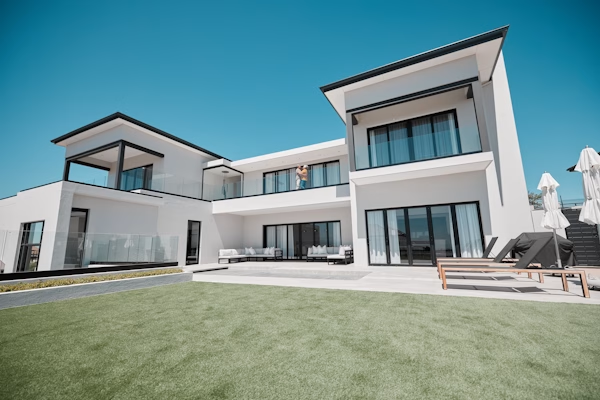
Best Exterior Paint for Brisbane Coastal Home Brisbane is one of Australia’s most beautiful capital cities, with many coastal suburbs like Wynnum, Manly, Lota, Brighton, Sandgate, Birkdale, Deagon and Thorneside. Not to mention the Sunshine Coast and Gold Coast coastal suburbs. Brendan Prior, Owner of Priority Painting and an experienced Brisbane Painter, says, “I’ve seen firsthand how Brisbane’s coastal climate speeds up paint deterioration. Salt in the air, high humidity, and intense UV rays can strip years off a standard paint job. That’s why we always use the best exterior paints” Salt air damages coastal homes’ exterior paint much faster than Brisbane’s inland properties, leading to expensive maintenance. Brisbane’s coastal environment makes this worse, as intense Australian UV rays break down paint and cause it to fade faster. The right exterior paint designed for coastal conditions can curb these problems. Premium paints, with their UV-resistant pigments, water-repellent properties, and anti-mould additives, give superior protection against salt corrosion, moisture damage, and colour fading. Your coastal property investment stays protected when you know how to choose and maintain the right paint, whether you’re updating specific exterior surfaces or repainting the whole house. This blog will help you learn about everything in selecting the best exterior paint for your Brisbane coastal home, plus practical tips that ensure lasting results in 2025 and beyond. Why Standard Paint Fails on Brisbane Coastal Homes Living near Brisbane’s beautiful coastline takes its toll on exterior paint. Coastal homes face unique weather conditions that break down regular paint much faster than inland areas. Your coastal Brisbane home needs the right exterior paint. The wrong choice can cost you way more than just the original price tag. Regular paint fails too quickly, forcing you to repaint every 3-5 years. Quality coastal-specific formulations last 7-10 years. Money problems don’t stop at repainting costs. Salt particles build up on painted surfaces and create a corrosive layer that eats into the substrate. This corrosion damages the structural parts of your home, and you might need expensive repairs to timber, concrete, or metal components. Poor quality paint lets moisture seep in, which creates mould. This becomes a health risk to your family. Fixing these issues and dealing with health problems add up to expenses that many homeowners don’t see coming. Your property value takes a hit when exterior paint looks worn out. People see dollar signs on weather-damaged exteriors, and they lose much of their market appeal. This affects the resale value more than what quality paint would have cost. Common Coastal Paint Mistakes Brisbane’s coastal homes suffer from unique paint problems that inland properties rarely see: Standard paints don’t handle the unique challenges that different building materials face in coastal areas. Concrete, lumber, masonry and structural steel each need specific paint formulas to withstand salty air. These problems pile up over time. The damage speeds up if you don’t address it with the right materials. Moisture-related failures are the worst – they often mean damage has gone deeper than just the paint. Your Brisbane coastal home needs exterior paint with UV resistance, moisture barriers, and salt-fighting properties. Paint Colour for Coastal Appeal The right colours for your coastal home matter way beyond looks. A perfect colour palette boosts your property’s appeal and affects how well your paint holds up in Brisbane’s harsh coastal environment. We can help you choose the best exterior paint colours that withstand fading. Brisbane’s relentless sun creates unique challenges for exterior paint durability. Light, airy hues naturally reflect more sunlight. Your home stays cooler while paint degradation slows down. Light colours contain more titanium dioxide, the primary component that shields against UV damage. These colour families offer maximum fade resistance: Paint specialists say lower-quality exterior paints, especially darker shades, lose their vibrancy under intense sunlight. Dark colours need paint formulas with enough UV-resistant pigments and titanium dioxide to curb fading. These colours work better in coastal environments because they reflect UV radiation instead of absorbing it. This extends your paint job’s life and keeps its visual appeal. Complementing Brisbane’s Natural Coastal Landscape Brisbane’s surroundings provide great inspiration for exterior colour schemes that blend with the environment. The coastal areas showcase distinctive blue skies, dense foliage, and crystal waters—elements you can include in your colour choices. Green and blue-based greys blend perfectly with Brisbane’s landscape and create a natural connection between your home and its surroundings. These colours match beautifully with pools and outdoor living spaces. They boost the indoor-outdoor flow that makes Queensland coastal living special. Light, airy tones like sky blue, seafoam green, and warm sandy hues mirror the natural surroundings and create appealing exteriors. Plus, these colours help bring the calm, relaxing coastal feel right to your doorstep. Different materials and changing daylight can alter how colours look on your home’s exterior substrate. Coastal Paint Colour Trends for 2025 Some colour trends last while others fade away. Certain 2025 palettes offer both modern appeal and durability for coastal homes. The classic all-white Hamptons look remains popular but now leans toward softer, warmer tones. Stark white and dark blue contrasts have given way to calmer, more serene interpretations that suit Queenslander architecture. Earthy tones and muted greens have become hot picks for 2025. These colours show our growing connection to nature and work well in Australia’s climate. Deeper olive tones, muted sage greens, and clay or ochre shades look sophisticated while blending with natural surroundings. These colours age more gracefully than trendy, vibrant options that quickly look dated. Rich browns now challenge black’s popularity in coastal settings. They add warmth and depth without absorbing as much heat. Greige tones (grey-beige blends) bring sophistication with timeless appeal. Jade green has replaced aqua as designers’ favourite accent colour. Front doors in sunset colours like deep dusty pinks and corals create eye-catching focal points. Exterior Paint Protects Your Investment Quality exterior paint for your Brisbane coastal home delivers value way beyond its aesthetic appeal. The right paint acts as a financial safeguard that protects your home’s market value and structural… Continue reading Best Exterior Paint for Brisbane Coastal Home
Boost Property Value with Exterior Paint
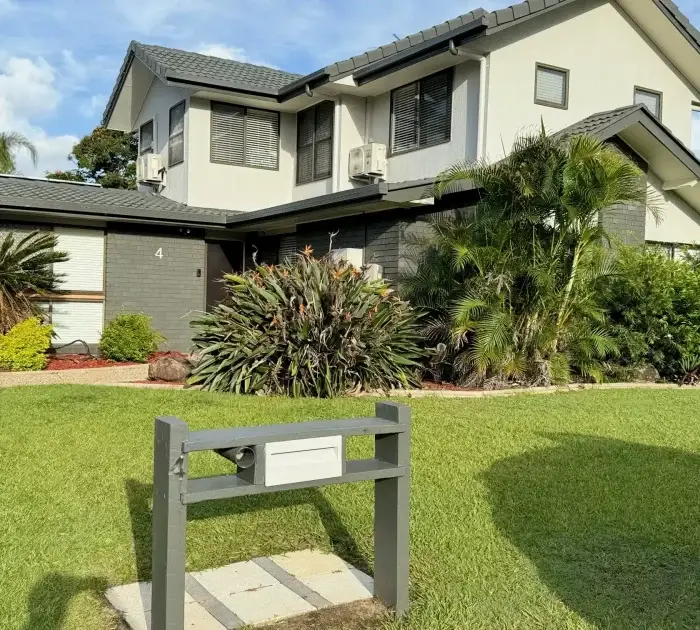
Exterior paint jobs can boost your property value more than you might expect. A survey shows a 55% return on investment from exterior painting. Your choice of paint colours could add up to $10,000 to your home’s value, according to real estate agents. Homes with fresh exterior paint tend to not only sell faster but at increased prices. Buyers love this simple upgrade because it hides flaws, makes the property look ready to move into, and creates an appealing first impression. In this blog, you’ll learn about the best colours to use, when to paint, and what real estate professionals suggest to make the most of your investment. Market data and expert knowledge back these recommendations. Impact of Exterior Paint on Value Fresh exterior paint does more than make your house look good. Market data shows homeowners can expect substantial financial returns. Houses with appealing exteriors sell for roughly 7% more than similar properties with less attractive facades. Consumer Reports says that exterior paint improvement yields an estimated 51% return on investment. Professional paint jobs can raise property value by 2-5%, based on paint quality and colour selection. To put that in $$$ – a home valued at $750,000 could gain between $15.000 to $37,500 through exterior painting. Exterior painting does more than boost monetary returns – it makes properties more marketable. The National Association of Realtors’ 2019 survey showed that 66% of real estate professionals see exterior paint as a vital part of curb appeal. Properties with well-managed exteriors get more online views, which leads to increased in-person visits and competitive offers. The survey may be based in America, but the real estate metrics are the same in Brisbane. To put it simply, paint your home for a better sale or home value price. Research confirms that homes with cosmetic improvements like fresh exterior paint sell faster. These properties also tend to be closer to the asking price compared to homes without such upgrades. This advantage becomes especially valuable in competitive housing markets. Standing out can make the difference between a quick sale and a property that sits unsold. Paint quality and professional application are key factors in maximising returns. Top-tier paintwork by qualified painters like our team at Priority Painting typically brings higher value increases than simple paint jobs. The painting process often reveals hidden maintenance issues which allows homeowners to fix problems before they get pricey. Experts recommend painting all visible exterior surfaces to create a unified look. This integrated approach improves aesthetic appeal and shows potential buyers that the property has been well maintained. These factors support stronger valuations during the sale process. Key Factors That Influence Value Increase The right exterior paint elements can boost your property’s market value. Three main factors determine how much value an exterior paint job adds to your home. Your exterior colour choices directly shape what buyers think and how much they’ll pay. Research shows homes with appealing colour schemes sell for up to 7% more than those with less attractive exteriors. Of course, neutral shades like white, grey, and beige attract most buyers. A black front door can add up to $5,500 to your home’s value. Sage green works great, especially if your property has lots of greenery. However, experts warn against bright colours because they tend to divide potential buyers. The best approach is to stick to three paint colours or shades. This creates a classic look that stays appealing for years. Paint quality makes a big difference in durability and value. Premium paints use better resins that stick better to surfaces, which means less peeling and cracking. These high-end exterior paints guard against UV damage, moisture, and weather wear. Cheaper paints need more coats to cover properly. Premium paints cover better with fewer coats because they have better pigments. Top-quality paints protect your home for over 15 years. Budget options might need a new coat after just one year. We use top-quality paints with UV protection for our hot Brisbane climate. What Real Estate Agents Say Real estate professionals share great insights about exterior paint choices and their effect on property value. Their direct experience with buyers gives them a real-life understanding of what sells in the market. Real estate agents stress the need to consult them before starting any paint project. They walk through properties to spot areas that need work, which helps homeowners spend their budget wisely. Instead of going with personal taste, they suggest looking at your home from a buyer’s viewpoint. Our advice for choosing the best exterior house paint colours is to stick to three shades for exterior colour combinations. The colours will depend on the style of your home for example Queenslanders have heritage colours and you can even look up advice on colour-matching heritage colours on the Brisbane council’s website. Popular Queensland colours are whites, greys and blues. Buyer Priorities One survey shows that 49% of buyers like white exteriors, with natural wood stains close behind at 48%. Grey exteriors have gained recent popularity but appeal to only 19% of potential buyers. Colours that might lower property value include: Cost vs Value The financial aspect of exterior painting helps homeowners make informed choices about their property investments. Understanding cost factors provides valuable insights for those looking to enhance their home’s exterior. Several key elements influence the overall expense. The cost for painting a single-storey home can range from lower to significantly higher amounts, while two-storey properties typically fall within a moderate to higher price range. These estimates generally include: A large portion of the budget goes toward labour, which varies widely in cost per hour. Premium paints also come at a higher price per litre. Paint quality is a major factor in long-term value, as superior products provide better protection and last longer. Conclusion Market data shows exterior painting is one of the most budget-friendly home improvements. The original cost runs from $3,000 to $20,000. The returns make it worth the money with a 55% ROI and a possible… Continue reading Boost Property Value with Exterior Paint
Deck Maintenance for a Perfect Summer Retreat
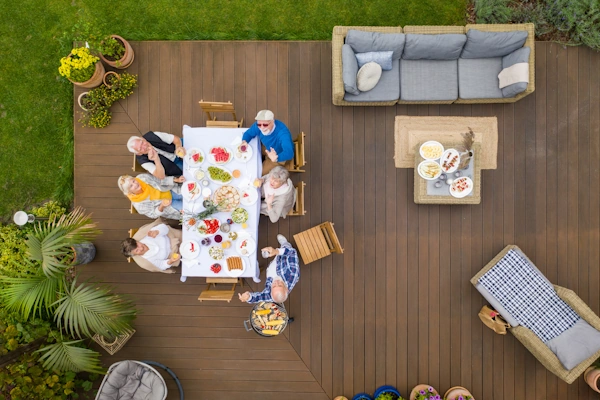
Deck Maintenance for a Perfect Summer Retreat A beautiful deck can revolutionise your backyard into the perfect summer retreat. Without proper maintenance, that dream space quickly becomes a weathered nightmare. I’ve seen many decks lose their charm because their owners didn’t know how to care for them properly. Your outdoor space deserves to stay in top condition. You might be thinking about timber deck maintenance for your Merbau deck or looking for professional services nearby. The process shouldn’t overwhelm you. Our guidance covers everything from protection against Brisbane’s harsh sun to dealing with unexpected storms. We’ll help you create and maintain your perfect outdoor sanctuary. This piece offers budget-friendly strategies, climate-specific protection methods, and professional-grade techniques. These will help you become skilled at deck maintenance and make your investment last longer. DIY vs Professional Deck Services Smart financial decisions about deck maintenance can save thousands in the long run. Let’s look at ways to keep our deck pristine without emptying our wallets. Depending on what you are doing, DIY deck maintenance costs range from $100 to $2000. Professional services can range from $500 to $5000, again depending on how big or small the job is. DIY takes more time and effort but saves money on labour costs. Professional services make more sense for complex structural repairs where safety and building code compliance matter most. We offer a range of deck painting and restoration services like sanding, replacing broken sections and deck staining. Budget-Friendly Cleaning Solutions Some of the best deck cleaners are right in our kitchen. Here are some tested cleaning solutions: Mix equal parts white vinegar and water for a natural mould and mildew fighter Combine dish soap with warm water for a budget-friendly general cleaner Create a paste with baking soda for stubborn BBQ grease stains Use a borax solution for areas affected by mildew We use professional deck products when working on your deck. But it is always good to know what you can try yourself, rest assured though if you hire us for deck restoration or staining we won’t be relying on dish soap or vinegar! Preventive Deck Maintenance Our experience with timber deck maintenance shows that prevention costs less than repairs. Regular maintenance helps avoid wood rot and warped boards that can get pricey to fix. A few hours of simple maintenance every quarter can add years to your deck’s life. These strategies help maintain our deck’s beauty and structural integrity without overspending. Quality tools need an upfront investment but make repairs more efficient and save money down the line. The best approach spreads repairs across phases to manage costs better. Set a realistic budget that puts critical repairs first. Living in a country with different climate zones has taught us that deck protection needs more than regular cleaning. Weather conditions affect our outdoor spaces in various ways, and understanding these effects is vital to proper deck maintenance. Dealing with Extreme Heat Summer days can make deck temperatures rise to 40 degrees, particularly on darker surfaces. Lighter-coloured deck materials help curb this intense heat effectively. Our timber deck maintenance includes heat-resistant sealants and solutions. We’ve noticed that our Merbau deck maintenance clients benefit from regular water cooling on extremely hot days to prevent warping and cracking. Humidity Control Measures Our deck maintenance experience across Brisbane shows that moisture control is a vital part of preventing structural damage. We put effective moisture barriers above and below our decks and ensure a 2% slope for proper drainage. High-quality under-deck drainage panels create pathways that manage water efficiently. This system is a great way to get deck protection during humid conditions. Storm Preparation Techniques Bad weather requires a detailed protection plan: Secure or store all loose furniture and decorations Inspect and tighten all deck boards and railings Clear drainage systems of debris Install storm-rated fasteners on significant structural points Apply additional waterproof sealant before the storm season Our outdoor deck maintenance services show that good storm preparation saves thousands in repair costs. Local weather forecasts need regular checking. A ready-to-implement storm protection plan helps, especially during Brisbane’s turbulent summer storms. Deck Surface Treatment Techniques Our deck maintenance services have seen amazing changes in surface treatment technologies that have transformed the way we protect and preserve decks. Modern Sealant Technologies Products like TimberTech and NewTechWood with their state-of-the-art polymer capping technology have really caught our attention. These advanced materials are a great way to get superior protection against UV damage, moisture, and general wear. Our deck maintenance Brisbane projects show these modern sealants can extend deck life by up to 25 years with proper application. Professional-Grade Cleaning Methods Years of timber deck maintenance have helped us develop a solid cleaning protocol that works perfectly. Our professional toolkit has: Commercial-grade deck cleaners with oxalic acid Soft-bristled deck brooms for gentle yet effective cleaning Professional pressure washers (managed to keep at 1000-1500 PSI) Specialised brightening solutions for natural wood enhancement Long-Lasting Finish Applications Different materials need specific approaches for finish applications. Here’s our proven finish guide: Finish Type Best For Durability Water-based Composite decking 3-5 years Oil-based Merbau timber 2-3 years Hybrid sealants Mixed materials 4-6 years Our Merbau deck maintenance clients get the best results with intergrain ultra deck timber oil. This oil penetrates deeply and preserves the wood’s natural characteristics. We found that roller application works better than spraying to ensure even coverage and longer-lasting protection. Proper preparation makes all the difference in successful surface treatment. The surface needs to be clean and completely dry before we apply any finish. We usually wait 48 hours after cleaning before we start the application process. Creating a Low-Maintenance Design Smart design choices can cut down the time and work needed to maintain your deck. Our deck maintenance work across Brisbane has shown that good planning during design saves a lot of work later. The right materials make a huge difference in creating a deck that needs less care. Our projects show that composite decking stands out as exceptionally tough and… Continue reading Deck Maintenance for a Perfect Summer Retreat

How to Touch up Paint
How to Touch up Paint Home Tired of staring at those unsightly scuffs and marks on your walls? Learning how to touch up wall paint can be a game-changer for keeping your home looking fresh and well-maintained. Whether you’re dealing with small nicks, scratches, or faded areas, mastering this skill will save you time and money in the long run. In this step-by-step guide, we’ll walk you through the process of touching up your wall paint like a pro. We’ll cover everything from gathering the right materials and preparing the surface to applying the paint and perfecting your work. By the end, you’ll have the know-how to tackle those pesky imperfections and restore your walls to their former glory Before you begin touching up your wall paint, it’s crucial to have all the necessary materials at hand. This will ensure a smooth and efficient process. Let’s break down the essential items you’ll need: Paint The most important item for your touch-up project is the paint itself. To achieve the best results, you’ll need to use the same type and colour of paint that was originally used on the wall. If you still have the original paint can, that’s ideal. However, if you don’t, don’t worry. You can take a small sample of the existing paint to a local paint store or home improvement centre for colour matching. They can help you find a paint that closely matches your wall colour. It’s worth noting that paint tends to change slightly over time. The colour may darken as it cures, and factors like smoking in the building can cause staining. Whites, in particular, may yellow slightly. Keep this in mind when selecting your touch-up paint. Applicators Choosing the right applicators is key to achieving a professional-looking touch-up. Here’s what you’ll need: A high-quality brush with soft bristles: A small, angled brush is ideal for precise application and better control. A small roller applicator: This can be useful for larger touch-up areas. An angled foam brush: This can help with detailed work and getting into textured areas of the wall. You don’t need to invest in a professional house painter’s brush set – just a few good-quality brushes will suffice. Cleaning Supplies Before you start painting, you’ll need to clean the area you’re touching up. Gather these cleaning supplies: A sponge Mild detergent Clean cloths or towels A Mr. Clean Eraser (optional, but useful for buffing the area after touch-up) Repair Materials If the area you’re touching up has any damage, you’ll need some repair materials: Spackling compound or joint compound: For filling holes and cracks Fine-grit sandpaper: To smooth out filled areas and rough spots A putty knife: For applying the spackling or joint compound A wall-repair patch (optional): For larger holes or damaged areas Additional items that can be helpful include: Painter’s tape: To protect adjacent areas from accidental paint splatters A paint mixer: This could be a mixing stick or a power drill mixer attachment A paint reducer: To thin the paint if necessary By gathering all these materials before you start, you’ll be well-prepared to tackle your wall touch-up project efficiently and effectively. Remember, having the right tools can make a significant difference in the quality of your touch-up work. Prepare the Surface Before you start touching up your wall paint, it’s crucial to prepare the surface properly. This step ensures that your touch-up work will blend seamlessly with the existing paint and last longer. Let’s go through the essential steps to get your wall ready for a fresh coat of paint. Clean the Area To begin with, you need to clean the area thoroughly. Dirt, grime, and dust can prevent the new paint from adhering properly, so it’s essential to remove them. Here’s how to do it: Use a damp sponge with mild, soapy water to wash the area you plan to paint. For stubborn stains or particularly dirty patches, you might need to use a degreaser. Rinse the area with clean water to remove any soap residue. Dry the surface completely with a clean, soft towel. Remember, don’t skip this step! A clean surface is key to achieving a long-lasting touch-up. Make Necessary Repairs Next, you’ll need to address any damage to the wall surface. This could include small holes, dents, scratches, or other imperfections. Here’s how to handle these issues: For small holes or dents: Use a putty knife to apply spackling compound or joint compound to the damaged area. Smooth it out, ensuring it’s level with the surrounding wall. Allow the compound to dry completely as per the product’s instructions. For larger holes: Use a wall repair patch made of durable material. Apply the patch over the hole, ensuring it’s securely attached. Use a broad knife to apply a thin layer of joint compound over the patch, extending slightly beyond its edges. Let it dry according to the product’s specifications. Sand and Prime Once the repairs are dry, it’s time to sand and prime the area: Sanding: Use fine-grit sandpaper to smooth out the repaired areas. Be careful not to sand too aggressively, as this can damage the surrounding paint or create an uneven surface. Wipe away any dust with a damp cloth and allow the area to dry. Priming: Apply a thin coat of primer to the repaired and sanded areas. This step is crucial as it helps the new paint adhere better and ensures a more even finish. Use a small brush or roller to apply the primer, being careful not to go too far beyond the area you’re touching up. Allow the primer to dry completely before moving on to painting. By following these steps to prepare your surface, you’re setting yourself up for a successful touch-up job. A well-prepared surface will help your new paint blend in better with the existing wall, making the touch-up less noticeable. Remember, the key to a professional-looking result is in the preparation, so take your time with these steps before you start painting. Apply… Continue reading How to Touch up Paint