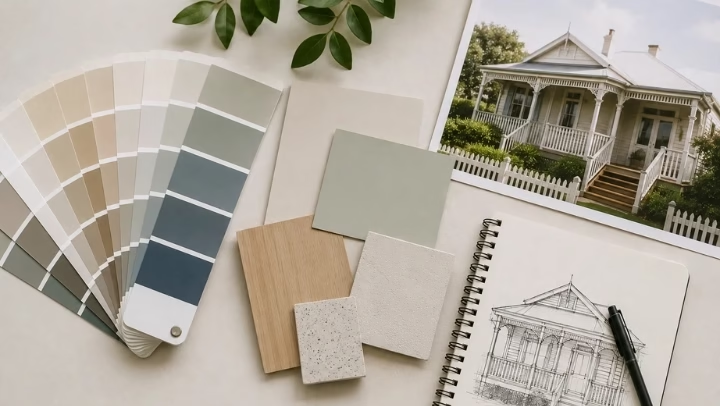
House Painting Costs in Aspley & Carseldine: What Your Home’s Age Means for Your Quote Aspley and Carseldine sit side by side on Brisbane’s north side, but the homes in each suburb tend to be from different eras. Much of Aspley was built decades ago, with established brick-and-timber homes on leafy streets. Carseldine is younger, with many estate-style homes now reaching the age when a full repaint is due. That difference matters for pricing. Your home’s age affects how much preparation it needs, and preparation is often the biggest variable in a painting quote. This guide gives you realistic 2026 price ranges, explains how your home’s age shapes the cost, and covers the signs it’s time to book a repaint. Typical house painting costs in 2026 These are typical ranges for a standard three-bedroom home in Brisbane, based on our current pricing. Your quote depends on your home’s size, condition and finish, which we confirm on site. Job (3-bedroom home) Typical price range Interior painting $10,000 – $14,000 Exterior painting – brick $7,000 – $10,000 Exterior painting – weatherboard $14,000 – $17,000 Want a quick ballpark for your own home? Try our free house painting cost calculator, or see our full Brisbane painting prices. How your home’s age changes the price Older homes in Aspley Aspley has plenty of established homes, from lowset brick houses to timber homes renovated over the years. Homes like these have often been painted several times, so the job usually starts with more preparation: Sanding back flaking or peeling layers of old paint Filling cracks in render, brickwork and plaster Treating or replacing weathered timber on fascias, window frames and weatherboards Testing for lead-based paint in older layers, which changes how the surface must be prepared This extra prep takes time, which is why an older Aspley home can cost more to paint than a newer home of the same size. It also helps the new paint last. Estate homes in Carseldine Many Carseldine homes were built in estates and are now due for their first or second full repaint. The good news is that these jobs are often simpler, with sound surfaces, standard ceiling heights and easy access. The most common issues we see are: Faded, chalky render on sun-facing walls Weathered eaves and fascias Garage doors and front doors that have lost their colour Worn interior walls in high-traffic areas like hallways and kids’ rooms Because there’s usually less repair work, Carseldine repaints often land toward the lower end of the price ranges above, as long as they’re done before small problems turn into bigger ones. Signs your home is due for a repaint Not sure if it’s time? Look for these signs: Chalky walls: Run your hand along an exterior wall. A powdery residue means the paint is breaking down. Fading on sun-facing walls: North and west walls fade first in Brisbane’s strong sun. Peeling or bubbling paint: Often a sign moisture is getting in behind the paint. Cracks around windows and doors: Small gaps let water in and can damage timber or render over time. It’s been 8–10 years: Most exterior paint in Brisbane needs refreshing around this point, even if it still looks okay from the street. Catching these early keeps your repaint a straightforward paint job rather than a repair job, which is the easiest way to keep the cost down. Full repaint or partial refresh? You don’t always need to paint the whole house. Depending on your home’s condition, a partial refresh can be a smart option: Eaves, fascias and trims only: A cost-effective way to lift the look of a brick home. Front elevation and entry: Ideal if you’re preparing to sell and want better street appeal. Garage door and front door: A small job that makes a noticeable difference. Selected interior rooms: Hallways, living areas and kids’ rooms tend to wear fastest. If your home is showing several of the signs above, a full repaint usually offers better value than several smaller jobs spread over time. We’ll give you an honest recommendation when we quote How to get the best value Get a fixed-price quote. A written, fixed price protects you from surprise costs mid-job. Ask what preparation is included. A cheap quote that skips prep often means repainting years earlier. Check the painter is licensed and insured. In Queensland, painting work over $3,300 requires a QBCC licence. Bundle jobs together. Doing the interior and exterior, or adding the fence and deck, often costs less than doing them as separate jobs. Book ahead. Brisbane’s drier months are ideal for exterior work, and dates fill quickly before Christmas. Frequently asked questions How much does it cost to paint a house exterior in Aspley? For a typical three-bedroom home, expect around $7,000 to $10,000 for brick and $14,000 to $17,000 for weatherboard. Older homes that need more preparation may sit toward the higher end. Is it cheaper to paint a newer home in Carseldine? Often, yes. Newer estate homes usually need less repair work before painting, which reduces labour time. Size, access and the finish you choose still affect the final price. How often should I repaint my house in Brisbane? Most exteriors need repainting every 8 to 10 years, depending on paint quality and sun exposure. Interiors can last longer, though high-traffic areas may need attention sooner. How long does it take to paint a house? Most standard homes take one to two weeks, depending on size, weather and how much preparation is needed. Do you service Aspley and Carseldine? Yes. We work right across Brisbane’s northside, including Aspley, Carseldine, Chermside and Bridgeman Downs. See our Chermside painters page, or read our Bridgeman Downs house painting cost guide if you’re just over the border. Get a free quote Priority Painting is a family-owned, licensed and insured Brisbane painting company and MPA member. Every job comes with a fixed-price quote, a quality walkthrough before we finish, and our 100%… Continue reading House Painting Costs in Aspley & Carseldine: What Your Home’s Age Means for Your Quote
Painters Brisbane | Priority Painting

House Painting Costs in Bridgeman Downs
House Painting Costs in Bridgeman Downs Bridgeman Downs has one of the more varied housing mixes in Brisbane’s north — character Queenslanders on the older, leafier blocks, brick-and-tile homes from the ’80s and ’90s, and a growing number of larger, acreage-style properties closer to the bushland edge toward Bald Hills and Aspley. That variety is part of what makes the suburb so liveable, but it also means painting costs here can swing more than homeowners expect if you’re only going off a generic, city-wide estimate. This guide breaks down what house painting actually costs in Bridgeman Downs in 2026, and the specific factors that push the price up or down. Average House Painting Costs in Bridgeman Downs As a general guide for a standard three- or four-bedroom home: Interior repaint (full house): $5,000 – $7,500 Exterior repaint (full house): $6,500 – $9,500 Weatherboard or Queenslander exterior: $9,000 – $14,000 Single room repaint: $650 – $1,300 Roof restoration and paint: $4,000 – $8,000 These ranges are wide on purpose — a single-storey brick home and a timber Queenslander on stumps are simply not the same job, even at a similar floor area. The sections below explain why. What Actually Drives the Price in Bridgeman Downs 1. House Style and Construction Bridgeman Downs has more variation in housing stock than many surrounding suburbs, and construction type is the single biggest factor in your quote. Brick and brick veneer homes, common through the newer pockets of the suburb, are generally the most cost-effective to paint. Brick often only needs the render, eaves, and feature panels painted, keeping exterior costs down. Weatherboard and Queenslanders, more common in the older, established streets, cost more to paint properly. Timber needs more prep — sanding, priming bare or weathered boards, and often replacing a few sections of rot or damage before paint goes anywhere near the surface. Larger acreage-style homes toward the bushland edge often have bigger elevations, more outbuildings (sheds, garages, fencing) and longer driveways, all of which add to the overall job size even before construction type is factored in. 2. Age of the Home and Existing Paint Condition Older homes in Bridgeman Downs often have several layers of existing paint, and established Queenslanders may have lead-based paint underneath more recent coats. That changes the prep process — and the cost — considerably. A professional painter needs to test for this, use safe removal methods where required, and budget the extra time into your quote. It’s one of the most common reasons a quote for an older home in the suburb comes in higher than a similarly sized newer build nearby. 3. Block Size and Access Bridgeman Downs tends to have larger blocks with established trees and gardens compared to more compact suburbs closer to the city. That’s a lovely feature of living here, but it can mean trickier access to eaves, gutters and second-storey walls, which affects labour time. 4. Sun and Weather Exposure Homes with a lot of western or northern exposure — common on the elevated blocks through the suburb — take more of a beating from Brisbane’s harsh UV. Paint on these elevations fades and chalks faster, so if your last repaint was more than 7–8 years ago, expect more surface prep (scraping, sanding, priming) than a home that’s more shaded by trees. Interior Painting Costs: What Changes the Number Interior painting costs in Bridgeman Downs follow fairly standard Brisbane pricing, but a few local factors still matter: Ceiling height — older Queenslanders in the suburb often have higher ceilings than a standard project home, which adds time (and sometimes scaffolding) for ceiling and cornice work. Number of colours — a feature wall or multiple accent colours per room adds masking and cutting-in time compared to a single flat colour throughout. Trim and doors — VJ panelling, exposed timber trim and feature doors, common in character homes in the area, take longer to paint properly than flush, modern doors and skirting. What’s Included in a Proper Quote A detailed quote from a local painter should spell out: Full surface preparation (washing, sanding, filling, priming) Number of coats included (two coats is standard for most jobs) Paint brand and product line being used — this matters more than most homeowners realise, since a cheaper trade paint can mean a repaint again in 4–5 years instead of 8–10 Whether minor timber repairs are included or charged separately Clean-up and protection of gardens, driveways and outdoor furniture If a quote is missing most of these details, ask before you sign off — vague quotes are the most common reason a “cheap” price ends up costing more once extras are added mid-job. Why Local Experience Matters Painting a home in Bridgeman Downs isn’t quite the same job as painting one in the inner city. The mix of older Queenslanders, brick homes and larger acreage-style properties means a painter needs to judge prep requirements on sight accurately — not just quote off a square-metre rate. Local experience with the housing stock in this specific pocket of Brisbane’s north keeps quotes accurate and avoids surprise costs once the job starts. Get an Accurate Quote for Your Bridgeman Downs Home Every home in Bridgeman Downs is a little different, which is exactly why we don’t do generic, one-size-fits-all pricing. Priority Painting offers free, no-obligation quotes for homeowners across Bridgeman Downs and the surrounding northside suburbs — we’ll assess your home’s specific construction, condition and access before giving you a number you can actually rely on. Ready for an accurate quote? Get in touch with Priority Painting today for a free home painting assessment. Contact Us LinkedInThis field is for validation purposes and should be left unchanged. Name* First Email Address* Phone No* Suburb of property to be painted How can we help? CAPTCHA Submit
Beyond Pre-Sale Value: Costs, Preparation & Expert Tips for Residential Exterior House Painting
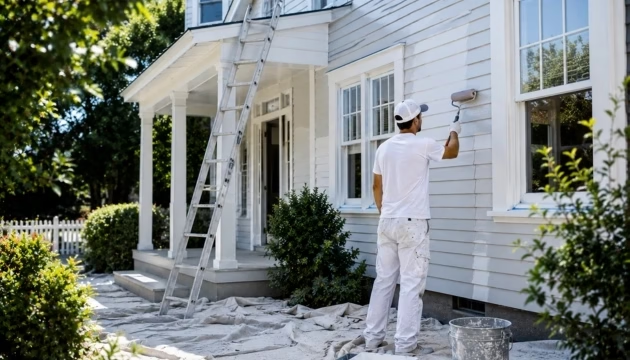
Beyond Pre-Sale Value: Costs, Preparation & Expert Tips for Residential Exterior House Painting Many homeowners only think about residential exterior house painting when preparing to sell. But a fresh exterior coat does far more than boost pre-sale value. It shields your home from Brisbane’s harsh sun, heavy rain, and humidity all year round. Whether you’re renovating, investing, or simply refreshing your property, understanding the real cost and process matters. This guide covers what actually goes into a quality exterior paint job. You’ll learn how to prepare properly and what separates amateur results from professional ones. Why Exterior Painting Is More Than Just a Cosmetic Upgrade A paint job isn’t just about looks. It’s a protective layer between your home and the elements. Weather protection stops rain and wind from damaging timber, render, and cladding. Brisbane’s intense UV exposure breaks down paint film faster than in cooler climates, causing fading and chalking. Quality paint resists this degradation and keeps colours looking fresh for longer. Moisture is one of the biggest threats to Queensland homes. Without a sound paint barrier, water can seep into weatherboards and render, leading to rot, mold, and costly structural repairs. Regular exterior painting significantly extends the service life of these surfaces. Beyond protection, a well-maintained exterior lifts property value. Buyers and appraisers notice peeling paint immediately, and it often signals neglect elsewhere in the home. A crisp, even finish suggests the whole property has been cared for. Understanding the Cost of Exterior House Painting One of the most common questions homeowners ask is how much it costs to have a painter paint the outside of a house. The honest answer is that it depends on several variables, and no two homes cost the same to paint. Home size is the starting point, since larger surface areas need more paint, labour, and time. A single-storey brick home costs less to cover than a two-storey weatherboard Queenslander with wraparound verandahs. Surface condition plays a major role too. Homes with peeling paint, cracked render, or timber rot require extra preparation before a single coat goes on. This preparation work often takes longer than the actual painting. Accessibility affects pricing as well. Steep rooflines, tight side access, or second-storey walls may require scaffolding or specialised equipment, which adds to labour costs. Other cost factors include: Number of coats required for full coverage Paint quality and brand selected Amount of masking, sanding, and priming needed Local weather conditions during the project window Trim, gutters, and feature areas requiring detail work Rather than chasing the cheapest quote, focus on value. A slightly higher investment in quality preparation and premium paint usually pays off through fewer repaints and better long-term protection. Preparing Your Home Before Exterior Painting Good preparation determines how well paint adheres and how long it lasts. Skipping steps here is one of the biggest reasons paint jobs fail early. Before painting your house exterior, it helps to know that preparation typically accounts for most of the total project time. Rushing this stage almost always shows up in the finished result within a year or two. A thorough preparation checklist includes: Cleaning surfaces to remove dirt, mould, and salt build-up Pressure washing to strip loose or flaking paint Repairing cracks, gaps, and timber damage before coating Sanding rough or uneven areas for a smooth base Removing all loose or blistering paint back to a sound surface Applying a suitable primer, especially on bare timber or repaired patches Masking windows, fixtures, and garden areas to protect them Weather timing also matters more than most homeowners realise. Paint applied in high humidity, direct heat, or before rain often fails to cure properly. Experienced painters monitor forecasts closely and schedule work around suitable conditions. Colour selection deserves thought too. Darker shades absorb more heat and can fade faster under Queensland sun, while lighter tones often suit the climate and reflect UV more effectively. Mistakes That Can Ruin an Exterior Paint Job Understanding common exterior painting mistakes helps homeowners avoid costly redo work. Most failures trace back to a handful of avoidable errors. Skipping preparation to save time, which leads to peeling within a year Choosing low-quality paint that fades, chalks, or cracks prematurely Painting in poor weather, such as high humidity or before rainfall Ignoring repairs to cracked render or rotten timber before coating Incorrect colour selection that clashes with the home or fades unevenly DIY shortcuts like single coats or skipped priming on bare surfaces Each of these mistakes tends to compound. Poor preparation combined with cheap paint, for example, can cut a paint job’s lifespan by several years. Why Professional Painters Deliver Better Results Hiring experienced house painters changes the outcome significantly compared to DIY or unqualified labour. The difference shows in both process and finish. Professional teams bring genuine experience with different surfaces, from weatherboard and render to Colorbond and fibre cement. They know how each substrate behaves and what preparation it needs. Benefits of professional exterior painting include: Thorough surface preparation using proper tools and techniques Access to commercial-grade equipment, including scaffolding and sprayers Correct safety practices for working at height Application methods that reduce brush marks and uneven coverage Longer-lasting finishes backed by workmanship guarantees Advice on paint systems suited to Australian conditions Regarding what paint professional painters use in Australia, most reputable teams rely on trade-grade acrylic and low-sheen exterior paints from established Australian brands. These are formulated specifically to handle UV exposure, humidity, and temperature swings better than standard retail paint. DIY vs Professional Exterior Painting Factor DIY Exterior Painting Professional Exterior Painting Preparation Often rushed or incomplete Thorough cleaning, repairs, and priming Equipment Limited to household tools Scaffolding, sprayers, commercial gear Paint Quality Usually retail-grade Trade-grade, climate-suited systems Safety Higher risk on ladders and roofs Trained for working at height Finish Durability Shorter lifespan, uneven coverage Longer-lasting, consistent finish Time Investment Significant homeowner time Managed on a set project timeline Warranty None Workmanship guarantee often included Choosing the Right Painting Contractor Not all painting businesses offer… Continue reading Beyond Pre-Sale Value: Costs, Preparation & Expert Tips for Residential Exterior House Painting
Faded Paint on Your Shopfront? How Commercial Painters Colour-Match for a Perfect Finish
Faded Paint on Your Shopfront? How Commercial Painters Colour-Match for a Perfect Finish First impressions shape how customers view your business. A faded or patchy shopfront can quietly turn people away before they even step through the door. Bright, well-maintained paint colours send a clear message that your business cares about quality. That is why many property owners turn to experienced commercial painters for a seamless colour match. Retail stores, offices and hospitality venues all rely on a sharp, professional exterior. This guide explains why shopfront paint fades and how professional colour matching works. It also covers why getting the finish right matters for your brand image. Why Shopfront Paint Fades Over Time Shopfronts sit under constant exposure to the elements. Several factors combine to dull even the best paint colours over the years. UV exposure: Strong Australian sun breaks down pigments and binders, causing colours to fade and chalk. Weather conditions: Rain, humidity and temperature swings put stress on the paint film, leading to cracking. Pollution: Traffic fumes and airborne grime settle into the surface, dulling the finish over time. Moisture: Trapped moisture behind render or timber cladding can cause bubbling and peeling. Ageing paint: Older paint formulations break down faster than modern, weather-rated coatings. Poor-quality previous applications: Cheap paint or rushed surface prep tends to fail sooner than expected. Once fading and wear set in, an exact colour match becomes essential. Patchy touch-ups only draw more attention to the problem. A full, well-matched repaint usually delivers a far cleaner result. What Does a Commercial Painter Do? A commercial painter prepares, repairs, colour matches and repaints business premises to a professional standard. The work goes well beyond simply applying a fresh coat. Every shopfront painting project starts with a full site assessment. From there, a commercial painter typically handles the following: Surface preparation: Cleaning, sanding and priming to give the new coat a solid base. Paint assessment: Checking the condition, sheen and type of the existing paint. Colour matching: Identifying the exact shade so new sections blend with the old. Surface repairs: Fixing cracks, gaps or damaged render before painting begins. Professional application: Using the right tools and technique for a smooth, even finish. Quality finishing: Checking edges, trims and signage areas for a crisp result. This process protects your building while giving it a polished, consistent look. Skipping any step usually shows up in the final finish. A rushed job rarely holds up under close daily inspection from passing customers. How Professional Colour Matching Works The most reliable way to achieve accurate paint colour matching is combining digital scanning with hands-on testing. This mix removes much of the guesswork involved in matching by eye alone. Professional painters often use a spectrophotometer to read the exact wavelength of your existing colour. This data gets cross-checked against manufacturer colour systems, such as those used by major Australian paint brands. Painters then test a physical sample directly on the surface. Lighting, texture and material all affect how a colour reads in real life. Custom blending fills any gaps when a stock colour is not quite an exact fit. This approach means the final result holds up under different lighting conditions. A match that looks right indoors under fluorescent light should also look right outdoors in full sun. Choosing the Right Colour for Your Shopfront There is no single best colour for every shopfront. The right choice depends on your brand, your location and your building materials. A few factors are worth weighing before you decide: Brand consistency: Your shopfront colour should reflect your logo and overall brand identity. Customer perception: Clean, confident colours build trust before a customer even enters. Surrounding environment: Consider nearby buildings, signage and any local streetscape rules. Maintenance considerations: Lighter shades show dirt more easily, while darker tones absorb more heat. Longevity: Quality exterior paint colours and coatings hold their finish longer, reducing repaint frequency. Good commercial property painting choices balance visual impact with practicality. A colour that photographs well but fades within a year rarely serves a business long term. Local climate also plays a role, since intense sun and humidity can shorten a finish’s lifespan. Testing a sample on the actual shopfront, in real daylight, helps avoid costly surprises later. Why DIY Colour Matching Often Falls Short Matching paint without the right tools is harder than it looks. Even a small mismatch can stand out once it dries and cures. Common DIY mistakes include: Comparing colours by eye under poor or inconsistent lighting. Using a faded reference sample instead of a fresh, protected section. Lacking access to trade-level colour systems and formulas. Overlooking sheen level, which changes how a colour appears once dry. Choosing the wrong primer, which can alter the final shade. Applying paint in poor weather, which affects drying and colour consistency. These small errors add up quickly. A slightly-off colour match on a shopfront stands out far more than one inside a private room. Passing customers notice it every single day, which makes accuracy especially important. Why Businesses Choose Priority Painting Experienced teams bring more than a paintbrush to the job. Priority Painting brings years of hands-on painting experience to commercial projects of all sizes. The team pays close attention to detail at every stage of the job. This runs from initial surface prep through to the final coat. Clients value clear communication and scheduling that works around normal trading hours. A colour consultation helps business owners choose finishes that suit both their brand and their building. Priority Painting focuses on getting the colour right the first time. This approach helps avoid costly repaint jobs down the track. Conclusion Faded shopfront paint does more than look tired. It can quietly affect how customers judge your business before they walk in. Accurate colour matching protects both the appearance and the long-term value of your commercial property. Working with skilled commercial painters takes the guesswork out of the process. From surface prep to the final coat, professional colour matching delivers a finish that… Continue reading Faded Paint on Your Shopfront? How Commercial Painters Colour-Match for a Perfect Finish
Residential Colour Consultation in Brisbane: What to Expect and Why It’s Worth It
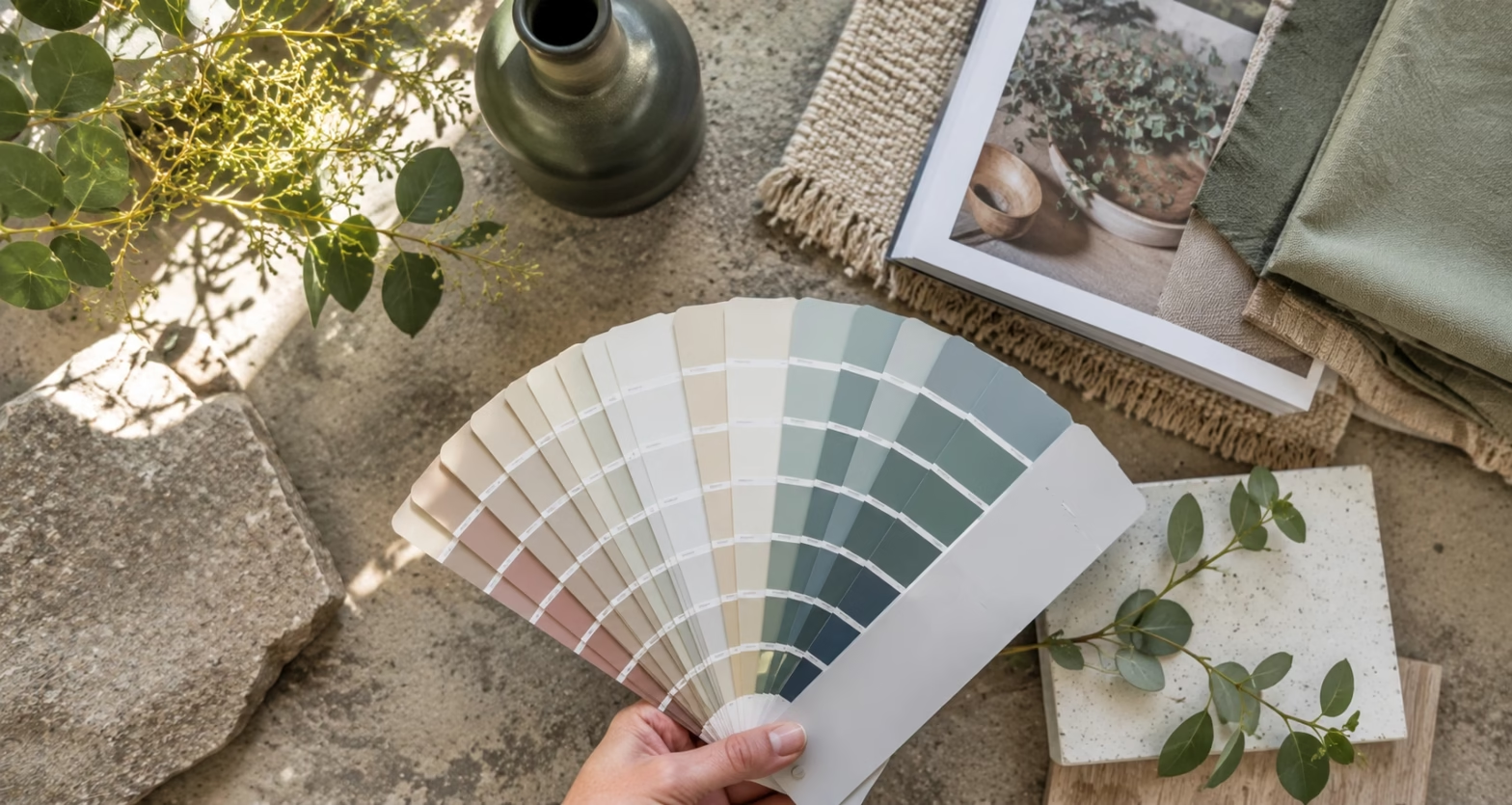
Residential Colour Consultation in Brisbane: What to Expect and Why It’s Worth It Choosing paint colours sounds simple, until you’re standing in the hardware aisle staring at sixty shades of white with no idea which one suits your home. This is exactly where a residential colour consultation earns its keep, taking the guesswork out of one of the biggest visual decisions you’ll make for your property. Whether you’re repainting a classic Queenslander or refreshing a modern townhouse, colour has the power to completely change how a home looks and feels. Get it wrong, though, and you’re left with an expensive redo. This guide covers what a colour consultation involves and what to expect during the visit. It also explains why Brisbane homeowners see it as an essential step before repainting. What Exactly Is a Residential Colour Consultation? A residential colour consultation is a professional service where an experienced painter or colour specialist helps you choose the right colours for your home. The advice is based on your home’s style, natural light, and surroundings, not guesswork. It usually happens on site, with a consultant visiting your property and reviewing your existing finishes. This is quite different from simply picking a colour off a shelf. A consultant looks at how light moves through your rooms and how your home sits within its street and neighbourhood. From there, they recommend a scheme suited to your taste and your home’s architecture. The Consultation Process: Step by Step A colour consultation typically unfolds in stages, each designed to narrow down your options and build confidence in your choices. From the initial chat about your vision right through to receiving your final colour palette, here’s exactly what happens at each step. What Happens During the Visit Most consultations start with a conversation about your goals, whether that’s refreshing a tired exterior, updating one room, or repainting the whole house. Your consultant will ask about your lifestyle, the mood you want to create, and any colours you love or want to avoid. From there, they’ll walk through your home, noting natural light, existing fixtures, and any features worth highlighting or toning down. Outside, they’ll also assess your roofline, brickwork, and render. This groundwork helps them shortlist colours that will genuinely work, not just look good on a small swatch. What You Walk Away With By the end of the visit, you should have a clear, tailored colour palette. You’ll often get sample pots or swatches too, so you can test shades in your own space. Many consultants also provide a written summary noting recommended colours for each surface, from walls and trims to doors and feature areas. This means no second-guessing once the painters arrive. What a Colour Consultation Covers A thorough consultation doesn’t stop at just picking a wall colour. It looks at every surface, finish, and special consideration that affects how your home looks overall. This includes both inside and outside, plus some specific factors that matter in Brisbane’s climate and landscape. Interiors, Exteriors, and Finishes A good consultation looks at your whole property, not just one room. Inside, this often means choosing wall colours that flow logically from space to space, along with ceiling, trim, and door colours that complement them. When it comes to interior painting, getting this flow right makes a home feel considered rather than disjointed. Outside, attention shifts to render, weatherboard, brick, and roofing. Exterior colours need to hold up against sun, rain, and years of wear, so a consultant weighs up durability alongside style. This is also where residential exterior house painting decisions come together, like matching trims to your roofline or choosing a front door colour that stands out. Special Considerations for Brisbane Homes Brisbane’s subtropical climate plays a real role in colour choice. Strong UV exposure can fade darker shades faster than expected. Homes closer to the coast also contend with salt air, which can shorten the life of an exterior paint job. Orientation matters too. North-facing rooms tend to catch more light, so colours can look brighter than they did on the sample card. South-facing spaces often suit warmer, lighter tones to balance the extra shade. Brisbane’s mix of character Queenslanders, modern builds, and brick homes each bring their own considerations. Some suburbs have heritage colour guidelines, while others call for keeping a streetscape cohesive with its neighbours. Roof colour is worth a mention too, since a lighter shade can help reflect Brisbane’s heat rather than absorb it. Why It’s Worth It A colour consultation might seem like an extra expense, but it actually saves money, protects your investment, and delivers results you’ll love for years to come. Here are the key reasons Brisbane homeowners choose to get professional advice before picking up a paint brush. Save Money and Avoid Regret: Paint isn’t cheap, and neither is the labour to apply it. Choosing the wrong colour usually means one of two things: living with something you don’t love, or paying to have it redone. A colour consultation reduces this risk significantly, because your choices are tested and confirmed before painters ever pick up a brush. Boost Your Property Value: A well-chosen colour scheme does more than simply look nice. It can improve how your home looks from the outside, help it catch the eye of buyers or renters, and leave a positive first impression. Thoughtful colour choices remain one of the most affordable ways to add real value to a property. Enjoy a Home You Love: Beyond resale value, colour shapes how a home feels day to day. The right palette can make a small room feel larger, a dark hallway feel warmer, or a tired exterior feel brand new again. A colour consultation helps you create a home that genuinely suits how you live. Why Priority Painting Is the Go-To Choice in Brisbane Priority Painting is a family-run painting business based in Hendra, serving homeowners right across Brisbane. With years of hands-on experience and a fully licensed and insured team, they bring genuine… Continue reading Residential Colour Consultation in Brisbane: What to Expect and Why It’s Worth It
Should You Clean Walls Before Painting? A Simple Guide for Better Results
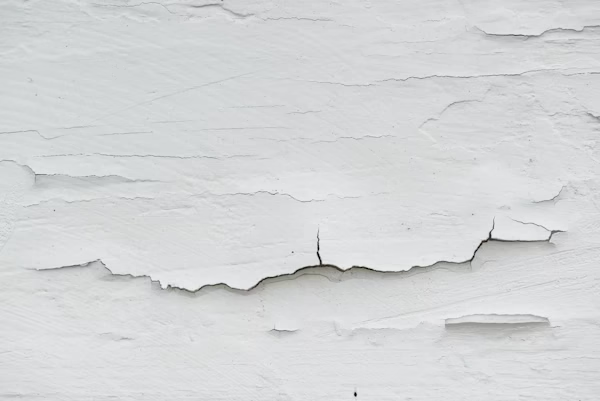
Should You Clean Walls Before Painting? A Simple Guide for Better Results If you’re planning to paint your home, you might be wondering whether cleaning the walls beforehand is really necessary. After all, if you’re covering the walls with fresh paint, won’t the new coat hide any dirt or marks? Cleaning your walls before painting is crucial because it directly impacts the durability and appearance of the final result, making your paint job look professional and long-lasting. At Priority Painting, we often see homeowners eager to jump straight into painting, only to run into problems later. Taking a little extra time to prepare your walls can make a huge difference to the final result. In this guide, we’ll explain why wall cleaning matters, when it’s essential, and how to prepare your surfaces before painting. Why Cleaning Walls Before Painting Matters Paint sticks best to clean surfaces. When walls are covered in dust, grease, dirt, smoke residue, or other contaminants, the paint may struggle to bond properly. This can lead to issues such as: Peeling paint Bubbling or blistering Uneven coverage Poor adhesion Reduced paint lifespan Even if the wall appears clean, there is often a layer of dust or oils that can affect how well the paint performs. Professional painters know that proper preparation is often the difference between a paint job that lasts for years and one that starts showing problems after only a short time. What Happens If You Skip Cleaning? Skipping wall preparation may save time initially, but it can create bigger problems down the track. Imagine painting over cooking grease in a kitchen. The paint may look fine at first, but as it dries and cures, it can begin to separate from the underlying surface. Similarly, painting over dust can create a weak bond between the wall and the paint. This may result in flaking or peeling, especially in areas exposed to moisture or temperature changes. The cost of repainting a failed paint job is often far greater than the time spent cleaning walls before starting. Which Walls Need Cleaning? In reality, almost all walls benefit from some level of cleaning before painting. However, some areas require extra attention. Kitchens Kitchen walls often accumulate grease, cooking oils, and food splatters. These residues can prevent paint from adhering correctly. A thorough wash is highly recommended before painting any kitchen surface. Bathrooms Bathrooms are exposed to steam, moisture, soap residue, and mould. Cleaning helps remove these contaminants and provides a fresh surface for painting. Children’s Bedrooms Fingerprints, crayons, markers, and general wear and tear are common in children’s rooms. These marks should be removed before painting. Hallways and Entryways High-traffic areas often collect dirt, scuff marks, and handprints. Cleaning helps create a smooth and consistent finish. Living Areas and Bedrooms Even walls that look clean can have a layer of dust or airborne contaminants. A light cleaning is usually sufficient before painting. How to Clean Walls Before Painting The cleaning process is straightforward and effective; just removing dust and grease can significantly improve paint adhesion and final appearance. Step 1: Remove Dust Start by dusting the walls using: A microfiber cloth A vacuum with a brush attachment A soft broom Pay particular attention to corners, ceilings, and skirting boards where dust tends to collect. Step 2: Wash the Walls Mix warm water with a mild detergent or sugar soap solution. Using a sponge or soft cloth: Wipe down the walls Focus on stained or greasy areas Work from top to bottom Avoid excessive soaking of the wall, particularly if it is plasterboard. Step 3: Rinse the Surface After washing, wipe the walls with clean water to remove any leftover cleaning residue. This step is important because detergent residue can also affect paint adhesion. Step 4: Allow the Walls to Dry Never paint over damp walls. Allow sufficient drying time before proceeding with repairs, priming, or painting. What Is Sugar Soap? Sugar soap is one of the most popular cleaning products used before painting. Despite its name, it does not contain sugar. It is a powerful cleaning solution designed to remove: Grease Dirt Smoke stains Fingerprints General grime Professional painters often use sugar soap because it effectively prepares surfaces without damaging them. It is available in both liquid and powder form from most hardware stores. Do New Walls Need Cleaning? Many people assume that brand-new walls do not require preparation. However, new plasterboard surfaces often contain: Construction dust Sanding residue Fingerprints from installers Before applying primer or paint, it’s important to remove this dust to ensure a smooth finish. Even newly built homes require proper surface preparation. Should You Clean Walls Before Repainting? Absolutely. Existing painted walls can accumulate years of dust, grease, and contaminants. Even if you’re simply changing the colour, cleaning remains an essential part of the preparation process. The new paint needs a clean surface to bond effectively with the existing coating, giving homeowners confidence that their repaint will last and look good. Other Important Preparation Steps Cleaning is only one part of the preparation process. For the best results, you should also: Repair Holes and Cracks Fill any dents, nail holes, or cracks before painting. This creates a smooth surface and improves the final appearance. Sand Rough Areas Light sanding helps smooth imperfections and can improve paint adhesion on glossy surfaces. Prime When Necessary Primer may be required if: The wall has stains You’re painting over dark colours The surface is new plasterboard Repairs have been completed A quality primer helps create a uniform base for the topcoat. When to Hire Professional Painters While cleaning walls is a straightforward task, preparing an entire home for painting can be time-consuming. Professional painters understand that thorough preparation reduces future issues, helping homeowners feel confident that their project will be durable and trouble-free. At Priority Painting, our team’s expertise in surface preparation ensures your walls are perfectly ready, resulting in a finish that lasts for years and looks great. Our team handles: Wall cleaning Surface… Continue reading Should You Clean Walls Before Painting? A Simple Guide for Better Results
Why Is My Paint Peeling and How Do I Fix It
Why Is My Paint Peeling and How Do I Fix It What Causes Paint to Peel Peeling paint is one of the most common issues homeowners face. It can make your home look worn and poorly maintained, and if left untreated, it can lead to more serious surface damage. Understanding why paint peels is the first step to fixing the problem properly and preventing it from happening again. What Causes Paint to Peel Paint peeling is usually a sign that something has gone wrong beneath the surface. There are several common causes. 1. Moisture Problems Moisture is the leading cause of peeling paint, especially in Brisbane where humidity levels are often high. Water can enter walls through roof leaks, plumbing issues, or poor ventilation. When moisture becomes trapped under the paint, it causes the coating to lift and separate. Bathrooms, kitchens, and exterior walls are particularly vulnerable. 2. Poor Surface Preparation If a surface is not cleaned or primed correctly before painting, the paint may not adhere properly. Dust, grease, mould, or old flaking paint can prevent new paint from bonding to the surface, leading to early failure. 3. Low-Quality Paint Using low-quality or unsuitable paint can result in poor durability. These products often cannot withstand Brisbane’s climate conditions. High-quality paints are designed to expand and contract with temperature changes, reducing the risk of peeling. 4. Painting in the Wrong Conditions Painting during extreme weather conditions can affect how paint dries and bonds. High humidity, rain, or very hot temperatures can interfere with proper curing, causing the paint to fail over time. 5. Too Many Thick Coats Applying paint too thickly or not allowing enough drying time between coats can create an unstable surface. This can lead to cracking, bubbling, and eventually peeling. Different Types of Peeling Understanding the type of peeling can help identify the cause: Flaking: Often caused by poor adhesion or old paint layers Bubbling: Usually linked to moisture or heat exposure Cracking: Often due to ageing paint or excessive thickness Each type requires a slightly different approach to repair. How to Fix Peeling Paint Fixing peeling paint requires more than simply painting over the damaged area. The underlying issue must be addressed. Step 1: Remove All Loose Paint Use a scraper or sandpaper to remove peeling and flaking paint. The surface must be smooth and stable before repainting. Step 2: Identify and Fix the Cause Check for moisture, leaks, or ventilation issues. If these are not resolved, the problem will return. Step 3: Clean the Surface Wash the area thoroughly to remove dirt, dust, and grease. Allow it to dry completely. Step 4: Apply a High-Quality Primer Primer creates a strong base and improves paint adhesion. It is especially important on repaired or bare surfaces. Step 5: Repaint Correctly Apply thin, even coats of high-quality paint. Allow sufficient drying time between coats. How to Prevent Paint from Peeling Preventing peeling paint comes down to proper preparation and maintenance. Always clean and prepare surfaces properly Use high-quality paints suited to the environment Avoid painting in poor weather conditions Address moisture issues quickly Maintain good airflow in your home When to Call a Professional If peeling paint is widespread or caused by structural or moisture issues, it is best to call professional painters. They can assess the root cause and provide a long-term solution rather than a temporary fix. Why This Is Common in Brisbane Brisbane’s climate presents unique challenges for painted surfaces. High humidity, strong sun exposure, and heavy rainfall can all contribute to paint failure. Using the correct materials and techniques is essential for long-lasting results. Final Thoughts Peeling paint is more than just a cosmetic issue. It is often a warning sign of underlying problems that need attention. By identifying the cause and following the correct repair process, you can restore your surfaces and prevent future issues. If you are unsure about the extent of the damage, a professional inspection can help you find the best solution. Does Painting Increase Property Value A fresh coat of paint can significantly improve the appearance of your home and increase its market value. Neutral colours and clean finishes can make spaces feel larger, brighter, and more appealing to buyers. Final Thoughts House painting in Brisbane is an investment that improves both appearance and long-term property value. While costs can vary, understanding the key factors will help you make informed decisions. If you are considering repainting your home, getting a professional quote is the best way to understand your exact costs and options.
How Much Does House Painting Cost in Brisbane in 2026
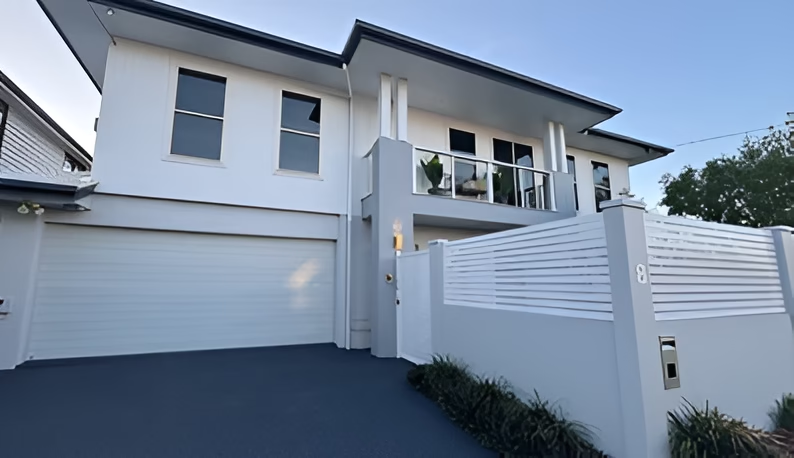
How Much Does House Painting Cost in Brisbane in 2026 Brisbane House Painting Costs If you are planning to repaint your home, one of the first questions you will ask is how much it will cost. The answer depends on several factors, including the size of your property, the condition of the surfaces, and the type of paint used. In Brisbane, house painting costs can vary widely, but understanding what goes into the price will help you budget properly and avoid unexpected expenses. Average House Painting Costs in Brisbane For most homes in Brisbane, you can expect the following price ranges: Interior painting: $3,000 to $10,000 Exterior painting: $5,000 to $15,000 Full house repaint: $8,000 to $25,000+ Smaller homes or units will sit at the lower end of the range, while larger properties or homes requiring extensive preparation will cost more. Cost Per Square Metre Another way to estimate painting costs is by looking at the price per square metre. In Brisbane, this typically ranges from: $20 to $40 per square metre for interiors $30 to $60 per square metre for exteriors This method can give you a rough idea, but it is not always accurate because it does not account for complexity or conditions. Use our price calculator to get an idea for your painting job. What Affects the Cost of House Painting Several key factors influence the final price of your painting project. 1. Size of the Property The larger your home, the more labour and materials are required. A single-storey home is generally more affordable than a two-storey property due to easier access and faster completion time. 2. Surface Condition If your walls or exterior surfaces are damaged, cracked, or peeling, preparation work is required before painting can begin. This may include sanding, patching, filling, and priming. Homes that are well maintained will cost less to paint compared to those needing significant repairs. 3. Type of Paint Premium paints cost more upfront but last longer, especially in Brisbane’s climate where heat and humidity can wear down coatings quickly. Cheaper paints may save money initially but often require repainting sooner, which increases long-term costs. 4. Access and Complexity Difficult access areas such as high ceilings, stairwells, or multi-level exteriors can increase labour time and cost. Homes with detailed trims, decorative features, or tight spaces also require more precision and time. 5. Interior vs Exterior Exterior painting is usually more expensive due to weather-resistant coatings, safety requirements, and additional preparation work such as pressure cleaning. Cost Breakdown Example For a standard three-bedroom home in Brisbane: Interior repaint: $4,500 to $8,000 Exterior repaint: $6,000 to $12,000 Full repaint: $10,000 to $18,000 This assumes average condition and standard finishes. Homes with premium finishes or significant repairs will cost more. Hidden Costs to Be Aware Of Many homeowners are surprised by additional costs that can arise during a painting project. These may include: Repairing damaged plaster or timber Mould treatment or stain removal Lead paint removal in older homes Scaffolding or specialised access equipment A detailed quote should outline these potential costs upfront. Is It Worth Hiring Professional Painters While DIY painting may seem like a cost-saving option, it often leads to uneven finishes and reduced durability. Professional painters provide: Proper surface preparation Consistent, high-quality finishes Access to better tools and materials Faster and more efficient completion In most cases, hiring professionals results in better long-term value. How Long Does House Painting Take Timeframes depend on the size and complexity of the job: Small interior projects: 2 to 4 days Full interior repaint: 4 to 7 days Exterior repaint: 5 to 10 days Weather conditions can also impact timelines, especially for exterior work. How to Get an Accurate Quote To get a reliable estimate, it is best to request a site inspection. This allows painters to assess: Surface condition Required preparation work Access challenges Paint specifications Avoid quotes given without inspection, as they may not reflect the true cost. Tips to Save Money on Painting If you are working within a budget, consider these strategies: Schedule work during quieter periods Combine multiple areas into one project Choose durable paint to reduce future repainting Maintain your surfaces regularly Does Painting Increase Property Value A fresh coat of paint can significantly improve the appearance of your home and increase its market value. Neutral colours and clean finishes can make spaces feel larger, brighter, and more appealing to buyers. Final Thoughts House painting in Brisbane is an investment that improves both appearance and long-term property value. While costs can vary, understanding the key factors will help you make informed decisions. If you are considering repainting your home, getting a professional quote is the best way to understand your exact costs and options.

Popular Interior Paint Colours 2026
Popular Interior Paint Colours 2026 Popular Interior Paint Colours in Australia for 2026 In 2026, Australian interiors continue to evolve beyond the warm revival of recent years. While earthy neutrals remain strong, this year introduces greater depth, richer saturation, and more confident colour placement. Homeowners are moving from “safe and subtle” to layered, expressive interiors that still feel calm and timeless. The dominance of cool greys and stark whites is now firmly in the past. Instead, 2026 embraces nature-inspired tones, cocooning mid-tones, and refined statement colours that create warmth and personality without overwhelming a space. With ongoing cost-of-living pressures and lifestyle shifts toward working from home, Australians are using colour intentionally – to create comfort, improve mood, and add long-term value to their homes. Top Interior Paint Colours in 2026 Designers across Brisbane and wider Australia are seeing colour used more strategically in 2026. Rather than defaulting to one neutral throughout, homeowners are zoning spaces with tone variations and feature contrasts. Earthy Neutrals Warm neutrals remain foundational, but in 2026 they’re slightly richer and more layered. Think: Mushroom greys Warm stone tones Clay-infused beiges Soft caramel undertones These shades create grounding environments while adding subtle depth. Clean, bright whites are being replaced with warmer off-whites that feel softer under both natural and LED lighting. Greige continues to dominate open-plan living, offering versatility while pairing beautifully with timber floors and textured furnishings. Dieskau Smooth Caramel Bruised Burgundy Bold Statement Colours https://prioritypainting.com.au/services/interior-painting/Feature walls are becoming more immersive in 2026. Instead of a single accent wall, we’re seeing: Full-room colour drenching Painted ceilings Statement cabinetry finishes Trending bold tones include: Deep burgundy and wine hues Forest green and olive Midnight navy Burnt terracotta These colours bring warmth and sophistication, particularly in dining rooms, home offices, and master bedrooms. Terracotta and rust tones continue to grow in popularity, especially when paired with natural materials like linen, stone, and timber. Refined Pastels Pastels aren’t disappearing, they’re simply maturing. In 2026, expect: Dusty lavender Soft blush Pale sage Washed eucalyptus Soft blue-grey These tones work beautifully in bedrooms, bathrooms, and nurseries, offering softness without looking overly sweet. The key difference in 2026 is restraint, pastels are used as part of layered palettes rather than dominating entire spaces. Parisian White Paint Colours That Boost Property Value in 2026 When preparing a home for sale, neutrality still wins, but warm neutrality is critical. Real estate styling trends show: Warm whites and creamy neutrals attract more buyer interest than cool greys Light taupe and soft greiges photograph better in online listings Subtle warmth makes homes feel newer and more maintained Off-whites, ivories, and light mushroom tones remain the safest investment for resale. Light greys are still used, but only when they carry warm undertones. Cold blue-based greys are now widely considered dated. White Taupe Sustainable Paint Trends in 2026 Sustainability is no longer optional, it’s expected. Australian homeowners are actively choosing: Low-VOC and zero-VOC paints Washable, long-life finishes to reduce repainting frequency Indoor air quality is a growing concern, especially for families and allergy-sensitive households. Premium low-emission paint ranges are now widely available in all trending colours. Durability is also a priority in 2026, with scrubbable matte finishes and mould-resistant paints gaining popularity in kitchens and bathrooms Paint Colour Planning for Brisbane Home Styles in 2026 Queenslander Homes Queenslanders continue to shine in warmer palettes. Best-performing colours include: Clay tones Olive-based greiges Soft pink-browns Muted heritage greens These shades complement timber detailing and traditional molding’s while modernising the space. Playful heritage-inspired pastels are also making a comeback, especially muted coral, dusty blue, and jade. Contemporary Apartments In 2026, apartment dwellers are embracing contrast while maintaining brightness. Light neutral bases keep rooms open Darker feature zones define living areas Monochromatic layering improves flow Colour drenching small spaces (walls, trims, and ceilings in the same tone) is becoming increasingly popular to create a seamless, sophisticated look. Coastal Properties Coastal homes are moving beyond predictable navy-and-white schemes. Trending coastal tones now include: Sandy beige Warm taupe Seafoam green Weathered blue Soft sage Terracotta accents are also appearing in coastal interiors, complementing Queensland’s natural landscapes. The 2026 coastal palette feels relaxed, organic, and slightly sun-faded rather than crisp and high-contrast. Make Colour Work for You in 2026 Interior paint trends in 2026 are about confidence with intention. Homes are becoming more layered, more expressive, and more emotionally connected to the people living in them. Rather than following trends blindly, successful colour choices now consider: Natural and artificial lighting Existing flooring and finishes Architectural style Long-term livability Resale potential Whether you’re refreshing a single room or repainting your entire home, choosing the right palette can dramatically improve comfort, mood, and property value. The biggest shift in 2026? Homes are no longer painted just to look modern – they’re painted to feel meaningful.